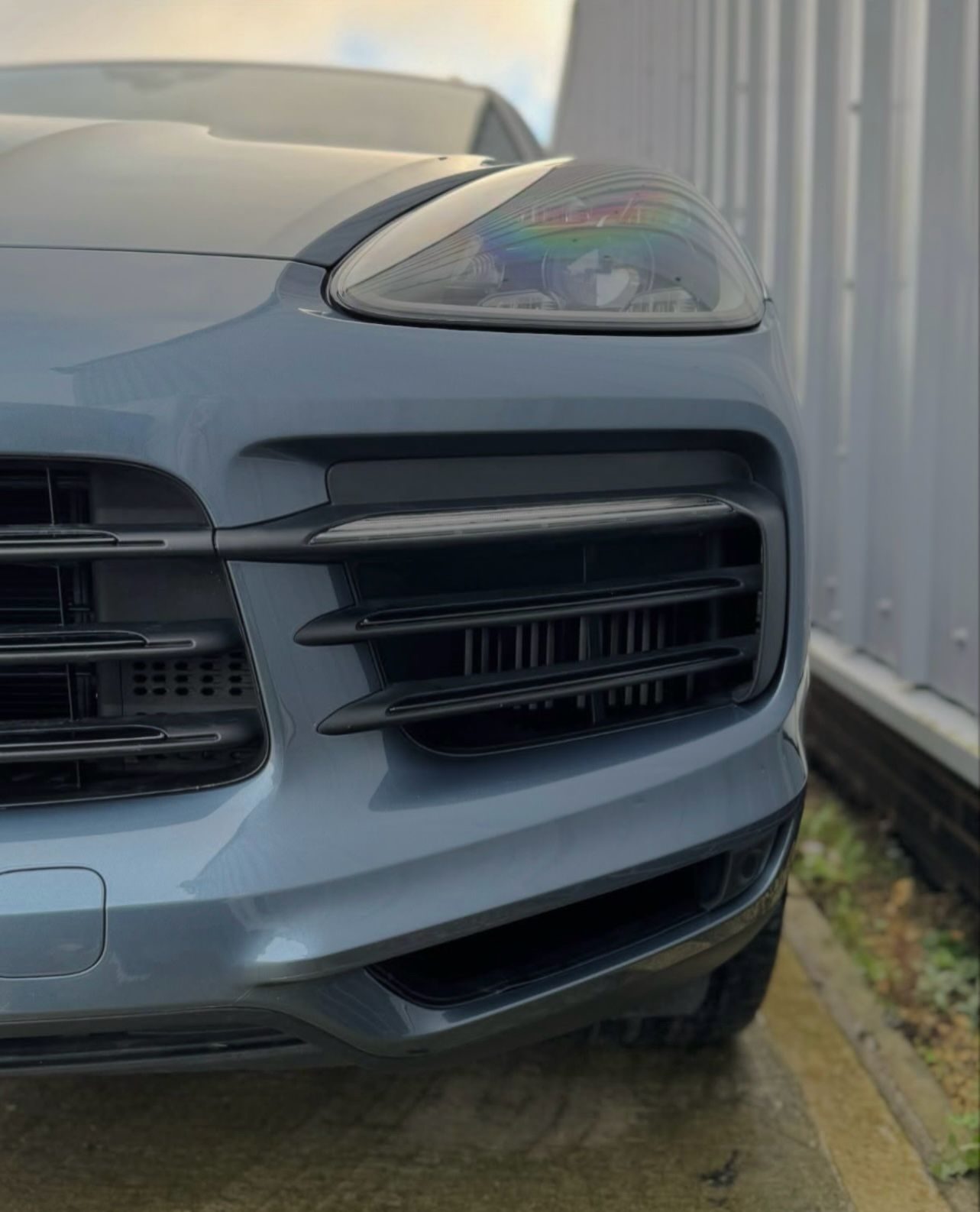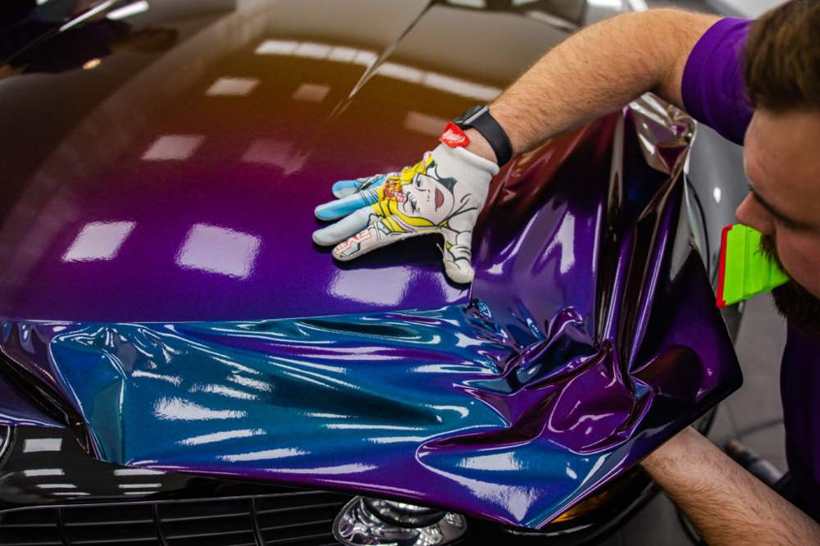
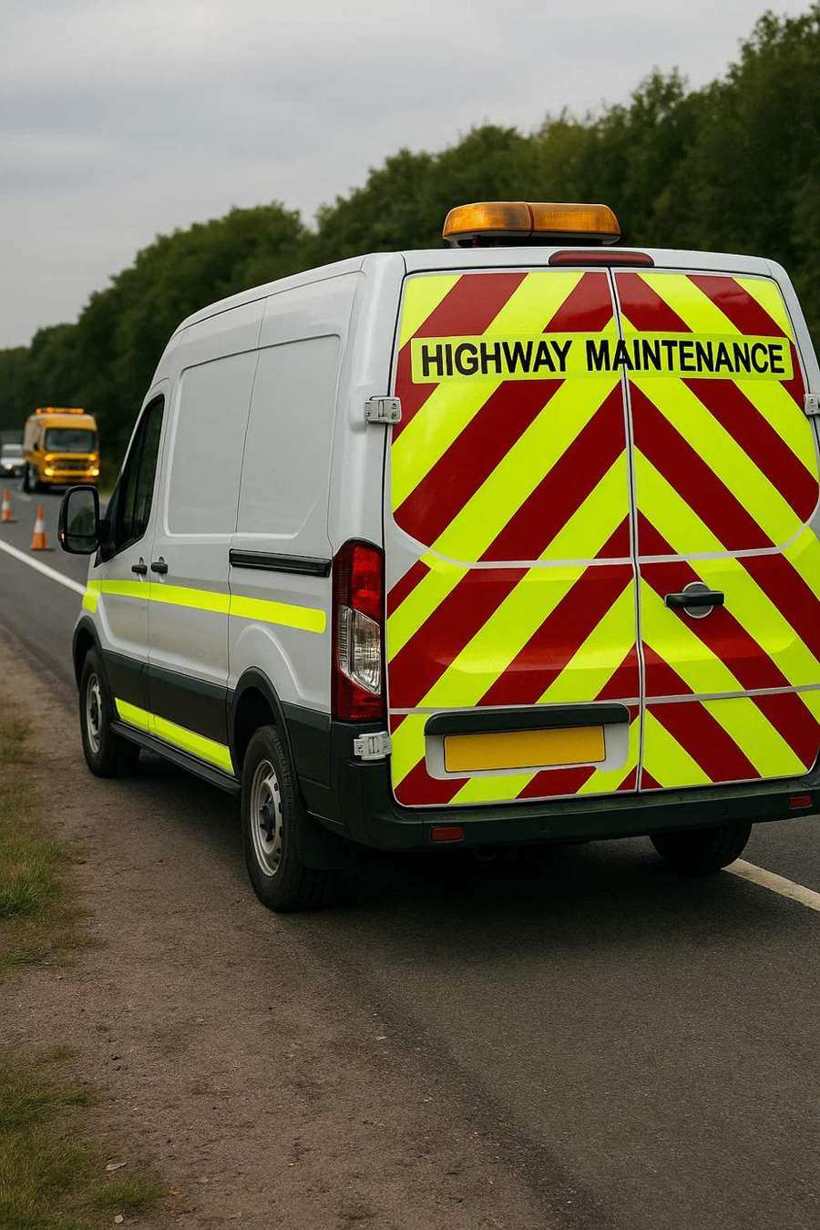

A cast film wrap fitted indoors will last five years or more on a commercial vehicle and three to five on a colour change. Whether yours does depends mostly on how it is washed. This is the aftercare we hand every customer in writing at Caterham, and the mistakes we see on vehicles that come back early.
The first week
The adhesive on a wrap keeps bonding for several days after fitting. The vehicle has already had its overnight settle before it leaves us, but for the first week keep it away from pressure washers and car washes, do not pick at any edge, and if it rains that is fine. After a week, wash it by hand for the first time and look at the edges while you do. That first wash is also when you will notice how much dust a new wrap attracts as it loses its static charge, which passes.
Washing: hand or touchless, never brushes
Automatic brush washes are the single biggest cause of wrap damage. The brushes carry grit from every previous car and drag it across the film and into the edges, hundreds of strokes a wash. On gloss film that shows as swirl marks. On matte it shows as shiny patches. On edges it shows as lift. Hand wash with two buckets and a soft mitt, or use a touchless wash, for the whole life of the wrap. Pressure washers are fine within the rules in our jet washing guide: fan jet, cold water, half a metre back, never aimed along an edge.
Wash from the top down, rinse well and dry with a clean microfibre. Water left to dry on a matte film leaves spots. On a printed van, pay attention to the lower panels where road grime sits.
Products: what to use and what to avoid
- Use a pH-neutral car shampoo. Anything described as a traffic film remover or a degreaser is too aggressive for regular use
- Gloss film can take a spray sealant made for vinyl wraps, which makes washing easier. Traditional waxes and polishes with abrasives should not be used
- Matte and satin film: no wax, no polish, no gloss enhancer of any kind. Products labelled for matte film only
- Isopropyl alcohol diluted with water, on a soft cloth, is the safe way to shift a stubborn mark. Test it on an inconspicuous area first
- Never use a clay bar, a cutting compound or a machine polisher on film
Fuel, bird droppings and tar
Three things stain film if left. Diesel or petrol spilled at the pump softens the film and the adhesive; rinse it off with water straight away and wash properly that day. Bird droppings are acidic and etch both film and paint within days in warm weather; soak with warm water, lift with a soft cloth, do not scrub. Tar and tree sap come off with a small amount of a proper tar remover on a cloth, rinsed immediately, never left to sit. All three are worse on light colours and on matte finishes.
“Every wrap that comes back early has been through a brush wash, been polished, or had a stone chip left to lift. Hand wash it, use the right products and look at the edges twice a year.”
— Wrap Cube
Matte, satin and chrome films
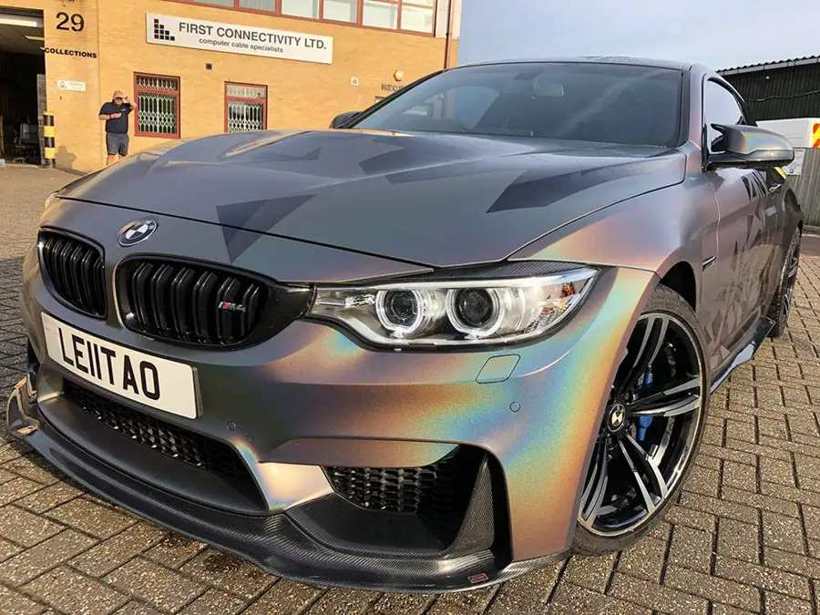
Matte and satin colour change films have a texture that gives them their finish. Anything that fills that texture, wax, polish, a finger dragged across a dusty panel, leaves a shiny mark that is permanent. They also show water spots and fingerprints more than gloss. Wash them more often, dry them properly and keep every product off them except matte-specific ones. Chrome and mirror films are the most delicate of all: they scratch easily, show every mark and need a soft-touch approach even during hand washing. We say this to every chrome customer before they choose it.
Fleet aftercare for drivers and wash contractors
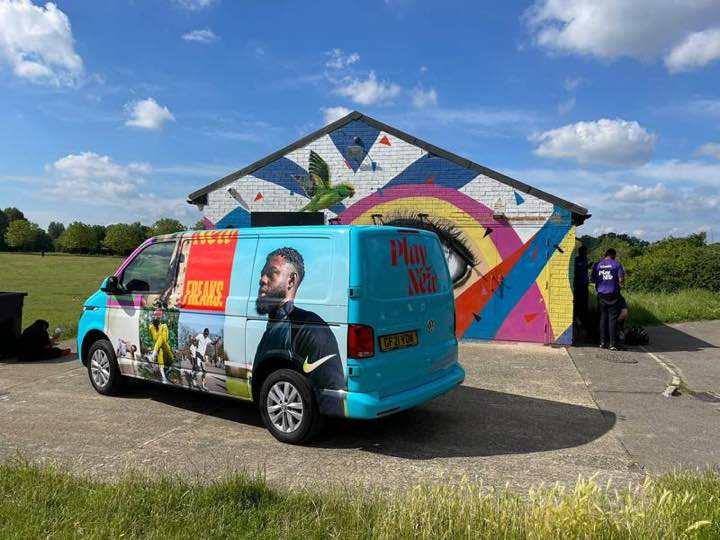
On a fleet the wrap is only as good as the depot wash. We give fleet clients a one-page aftercare sheet for drivers and a specification for the wash contractor: touchless or hand wash, pH-neutral chemicals, pressure washer distance and angle, and no rotating brushes. Where the contractor uses a brush system, the wraps last half as long, and the cost of that is in the replacement panels. Fleet clients also get a named account manager for the damaged-panel calls, which come whatever the washing regime.
The mistakes we see most
- Brush car washes, weekly, for two years
- Polishing a matte wrap to make it shine, then wondering why it is patchy
- Leaving a stone chip or a lifted corner, which lets water and dirt under the film until the panel has to be replaced
- Pressure washing edges at close range, particularly on door shuts and bumper returns
- Using tar remover or degreaser neat, regularly, on the lower panels
- Parking under trees and leaving sap and droppings on the film for weeks
All six are avoidable. If a vehicle we wrapped has a lifted edge or a chipped panel, ring the unit. Caught early it is a re-lay or a single replacement panel, not a new wrap. Our wrap removal page covers what happens at the end of the film's life.