
A good wrap on good paint does not damage it. It protects it. The paint under a five-year-old 3M film comes out looking better than the paint that spent five years in the weather. But there are four situations where a wrap does take paint with it, and every one of them is avoidable if you know about it before the film goes on.
What the film actually does to paint
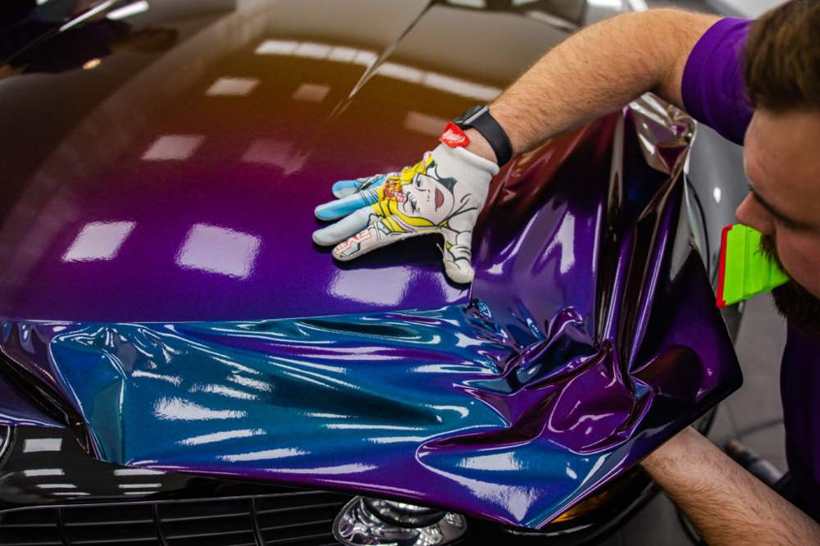
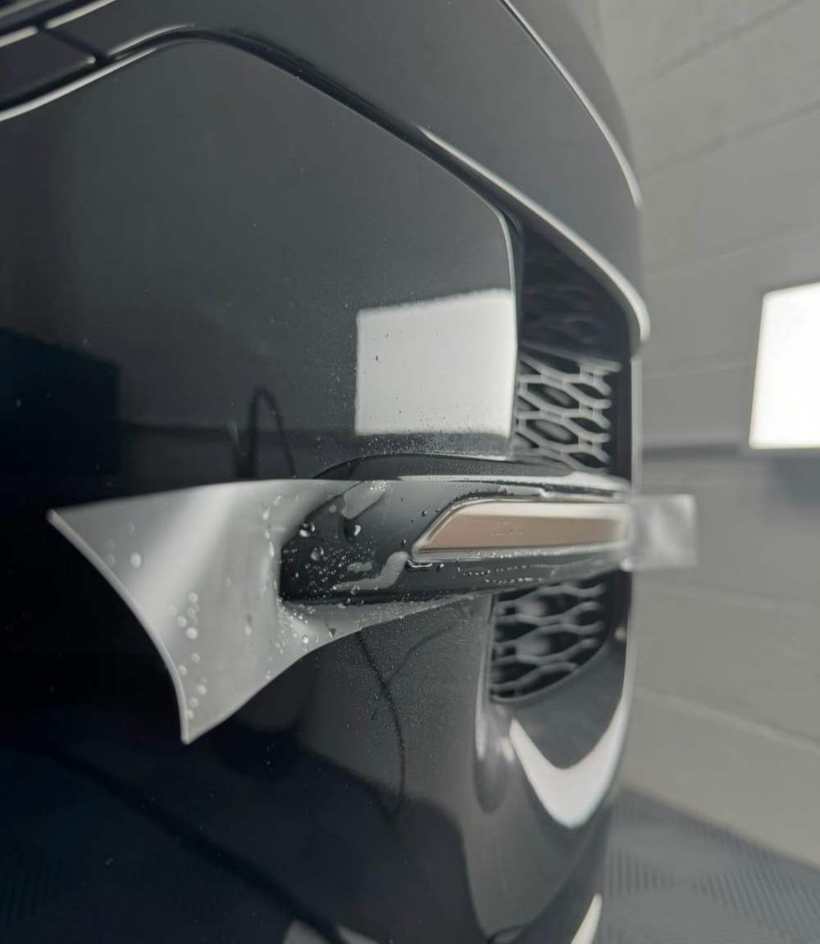
Cast vinyl wrap film is bonded to the paint with a pressure-sensitive adhesive designed to hold for years and release with heat. It does not cure into the lacquer, it does not etch it and it does not need to be scraped off. On factory paint in sound condition, the film sits on the surface, takes the stone chips, the bird droppings, the brush-wash swirls and the UV, and when it comes off the paint underneath is as it was the day the wrap went on.
We see this every week on lease returns and colour-change reversals. A car that spent three years in satin black comes back to gloss white with paint that has not seen daylight since the wrap was fitted, while the unwrapped door shuts and jambs next to it show three years of wash marks. Fleet operators wrap vans partly for this reason: the vehicle goes back to the lessor in its original colour with its original paint.
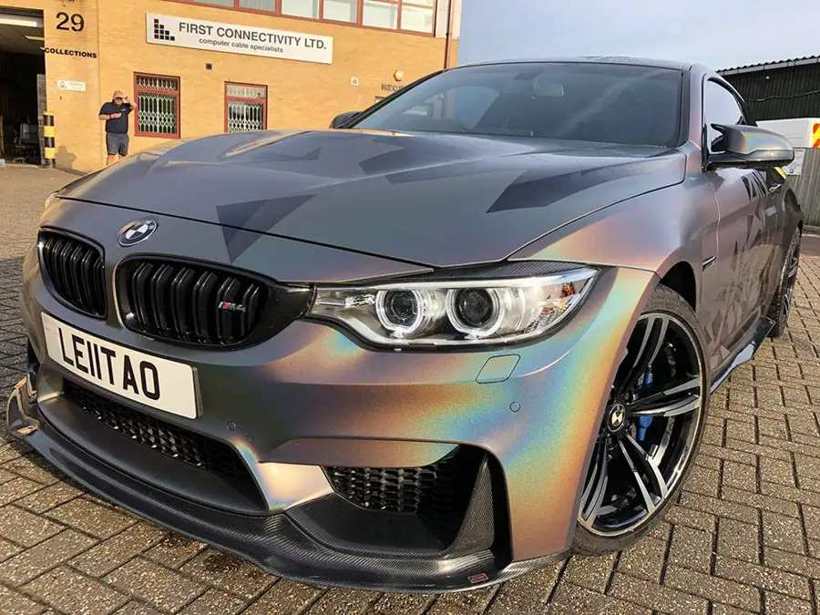
When a wrap does damage paint
Four situations account for almost every case of a wrap damaging paint. None of them is the film doing what it is designed to do.
- {01}Paint that was already failing. Lacquer that is peeling, chalking or lifting at the edges has no bond to the primer underneath. The film bonds to the lacquer, the lacquer lets go of the car, and the wrap gets blamed. Any decent installer inspects for this and tells you before the film goes on.
- {02}Resprayed panels. Paint that has been reapplied outside a factory can have less adhesion to the panel than the film has to the paint. Pull the film and the repaint can come with it. More on this below, because it is the common one.
- {03}Cheap film left on too long. Calendered film, the budget product some sign shops sell as wrap film, gets brittle and its adhesive hardens after two or three years in the sun. It then comes off in flakes and leaves adhesive behind, and the aggressive solvents needed to shift it are what harm the lacquer.
- {04}Bad removal. Ripping film off cold, or with a blade, or in a hurry. The film is designed to release with heat at a shallow angle. Treat it like a sticker and you can pull lacquer, especially at panel edges and repairs.
Resprayed panels: the one to watch
If your car or van has had accident repair, a smart repair on a bumper corner or a full respray, tell your installer. Factory paint is baked at high temperatures in a controlled process and bonds to the panel hard. A body shop respray is cured at lower temperatures and, if the preparation was rushed, may have a weaker bond to whatever is underneath. The wrap adhesive does not know the difference, and when it is removed years later it can lift paint that was only ever lightly attached.
This is why we ask about repairs at the quote stage, why we look for the signs during preparation, and why we will not wrap a resprayed panel without telling you the risk first. It is one of the five things you will not get from us. Most resprays are fine. The ones that are not are the ones nobody mentioned.
“The paint under a wrap comes out looking better than the paint around it. The exceptions are resprays nobody told us about and film that should have come off two years earlier.”
— Wrap Cube
Removal is where most damage happens
Wrap removal done properly is slower than fitting. The film is warmed to soften the adhesive, lifted at a shallow angle in wide sheets, and any residue is taken off with a solvent that is safe on lacquer. Done that way, paint that was sound when the film went on is sound when it comes off. Done with a heat gun on full and a fingernail in a car park, it is not.
Age matters. Film removed inside its rated life comes off in sheets. Film left on for a decade, particularly cheap film, comes off in pieces and leaves adhesive that takes hours to shift. If you are near the end of a wrap's life, budget for removal now rather than later. Our wrap removal page explains what affects it.
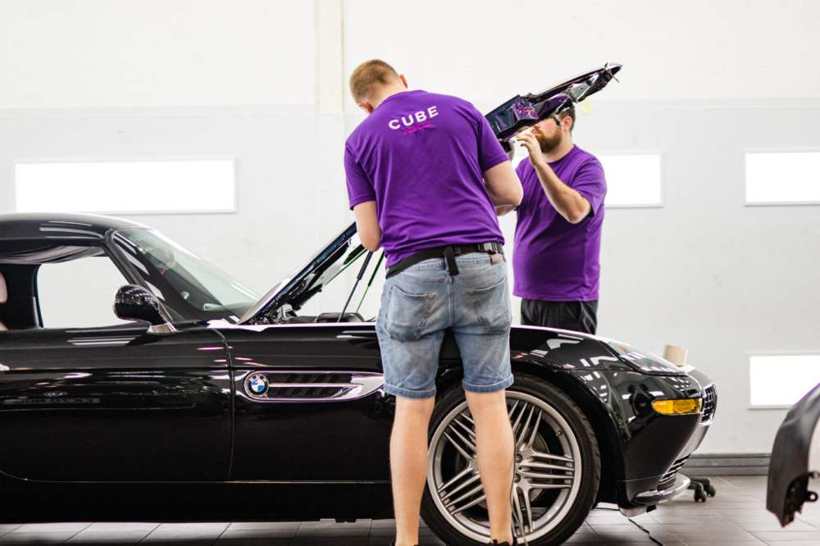
How to protect yourself
- Use cast film from 3M, Avery Dennison or Hexis. It is what the manufacturers rate for vehicle wrapping and it releases cleanly with heat
- Tell the installer about every repair and respray, and ask them to inspect the paint before quoting
- Have it fitted indoors on a decontaminated panel. Dirt trapped under film is a dirt problem, not a paint problem, but it is the same carelessness
- Take the wrap off inside its rated life, and have it removed professionally with heat
- Wash it by hand or touchless. Brush washes damage the film and, eventually, the edges
- Get the warranty in writing. As a 3M Select Gold Partner, our finished graphics carry 3M's warranty