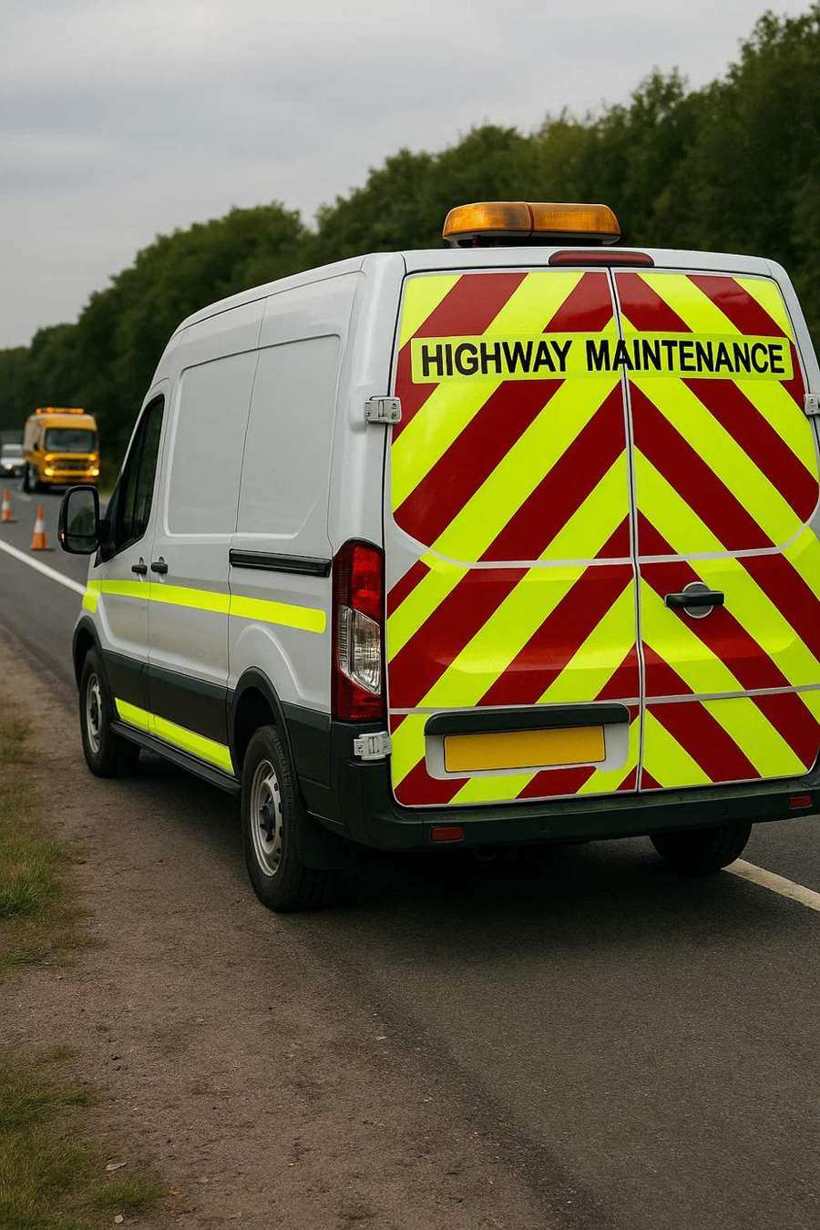

Yes, in almost every case, and most UK lessors expect it. Leased vans and lorries are wrapped every day at our Caterham unit. The rules are about permission, what the vehicle has to look like when it goes back, and who pays to get it there. Here is what to check before the film goes on.
Get the lessor's written permission
Every lease and contract hire agreement we have seen treats wrapping as a modification that needs consent. Most lessors give it readily, because a professionally fitted and removed wrap protects their asset and returns it in better condition than an unwrapped van. Some have a form, some want an email, a few want to know which installer and which film. Ask before you book, keep the reply, and give a copy to your installer.
Do not rely on a verbal yes from the salesperson who arranged the lease. The people who inspect the vehicle at return work from the agreement, and the agreement will say written consent.
What the lease agreement usually says
- Modifications, including graphics and wraps, require the lessor's prior written consent
- The vehicle must be returned in its original condition, fair wear and tear excepted, which means the wrap comes off before return
- Any damage caused by fitting or removing graphics is chargeable to the lessee
- Some agreements specify that removal must be done professionally or by an approved supplier
- A few, mainly for cars, prohibit permanent colour change but allow removable film
The phrase to look for is original condition. It does not mean unwrapped for the whole lease. It means unwrapped, with undamaged paint, on the day it goes back. That is entirely achievable with cast film and a proper removal, and it is the reason lessors are relaxed about wrapping.
Colour changes and the DVLA
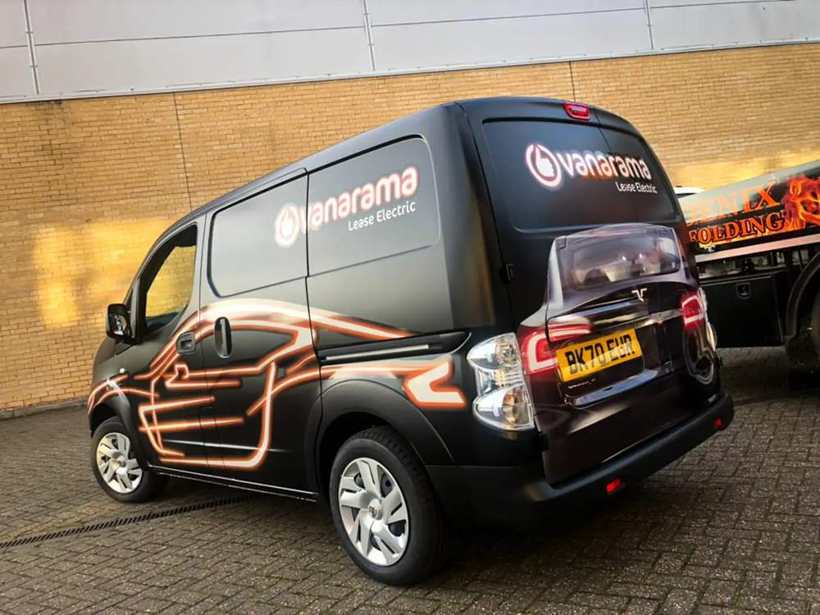
If the wrap changes the main colour of the vehicle, the DVLA needs to know. The V5C registration document records the colour, and you are required to update it when the colour changes, which a full colour-change wrap does. A white van wrapped in a company red is now a red van as far as the police and ANPR cameras are concerned. Partial wraps and sign writing that leave the base colour dominant do not usually change the recorded colour.
On a leased vehicle the V5C is held by the lessor, so the colour update goes through them. It is one more reason to have the permission conversation in writing, and to have the reverse conversation when the wrap comes off and the van is white again.
“Original condition means unwrapped with undamaged paint on the day it goes back. Cast film and a proper removal deliver exactly that, which is why lessors say yes.”
— Wrap Cube
Removal at the end of the lease
Budget for removal when you budget for the wrap. Film that has been on for a three-year lease comes off in sheets with heat, and the paint underneath comes out cleaner than the panels around it. Film that has been on for seven years, or cheap calendered film of any age, comes off in pieces and leaves adhesive. The difference is the film you chose at the start and the installer who removes it. Our wrap removal page covers what affects it.
Book the removal a fortnight before the return date, not the day before. If a panel needs attention once the film is off, you want time to deal with it rather than a charge from the inspector.
Why a wrap protects a leased vehicle
Return inspectors look for stone chips, scratches, scuffs and faded paint, and they charge for them. A wrapped panel takes all of that on the film. When the wrap comes off, the bonnet that did three years of motorway miles has factory paint underneath, while the unwrapped mirror caps and door shuts show the age. Fleet operators who wrap for the branding find the return condition is a second benefit they did not price in.


What we ask leased-vehicle customers
Before we book a leased van or lorry we ask three things: whether the lessor has consented in writing, when the vehicle goes back, and whether it has had any repairs or resprays. The first protects you at return. The second tells us which film to specify and when to book the removal. The third matters because a resprayed panel can have a weaker bond than factory paint, and we would rather tell you the risk now than have a return inspector find it later. Our guide to whether wraps damage paint explains why.