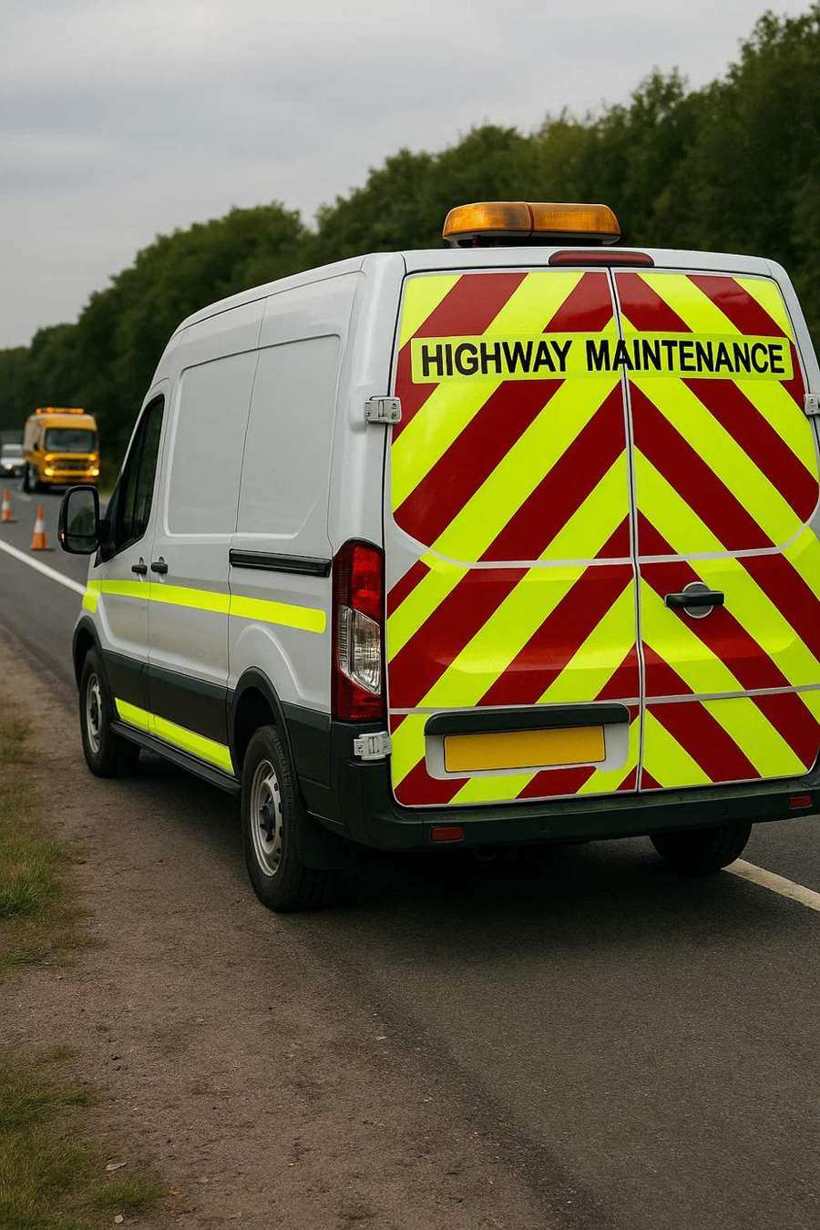

Yes. A wrap is a modification to the vehicle, and UK motor insurers ask you to declare modifications. Most will note a wrap without changing your premium, some will add a little for a colour change, and a few will want the details. Not telling them is the risk, because an undeclared modification is one of the reasons insurers use to reduce or refuse a claim.
Why a wrap counts as a modification
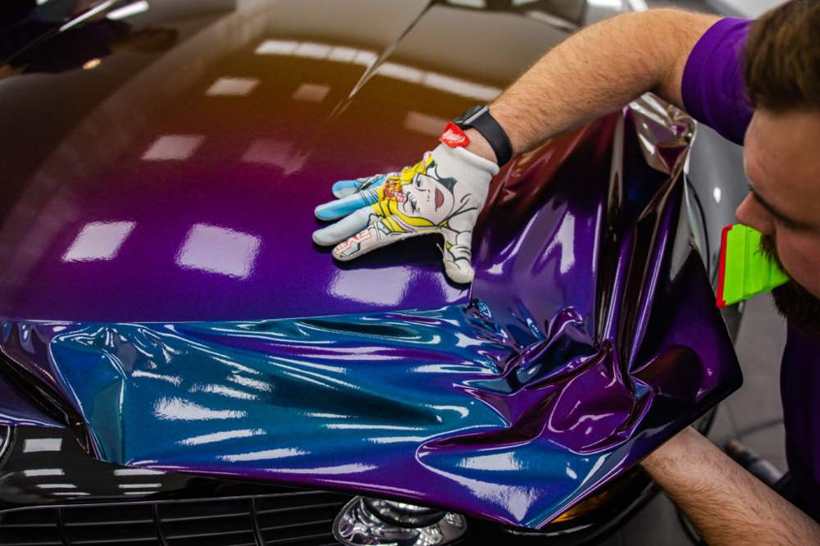
Insurers define a modification as any change from the manufacturer's standard specification. A wrap changes the vehicle's appearance and, in the case of a colour change, changes the colour recorded against it. It also has a value: a full colour change or printed livery is a four-figure cost that would need replacing after an accident. Both of those are things an insurer wants to know when they price the risk and when they settle a claim.
This is not insurers being difficult. A wrapped van that is stolen and recovered without its branding, or a satin black car that has to go back to satin black after a repair, costs more to put right than the standard vehicle. Declaring the wrap is how you make sure that cost is covered.
What insurers actually ask
- Whether the vehicle has been modified from standard, and if so how. Answer: yes, a vinyl wrap
- Whether the colour has changed. A full colour change is yes; branding or a partial wrap over the base colour is usually no
- The approximate value of the modification, so it can be covered
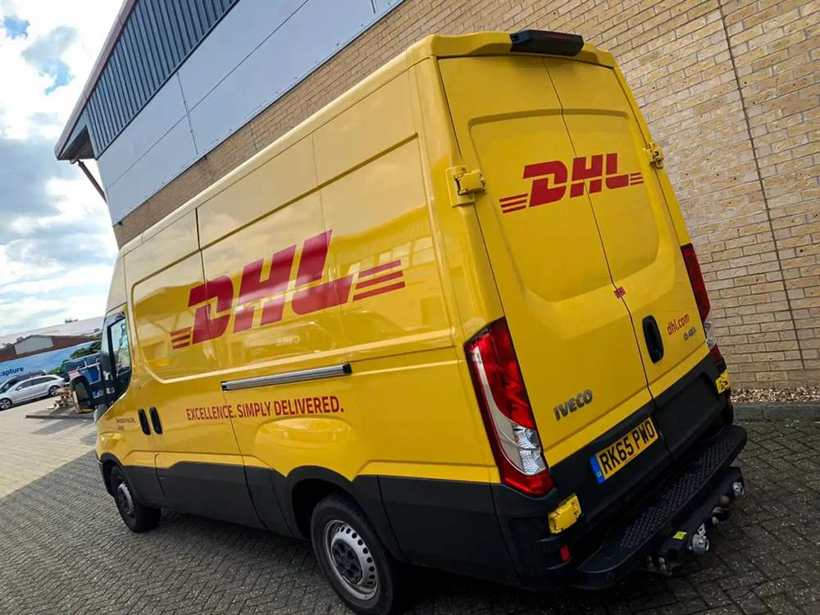
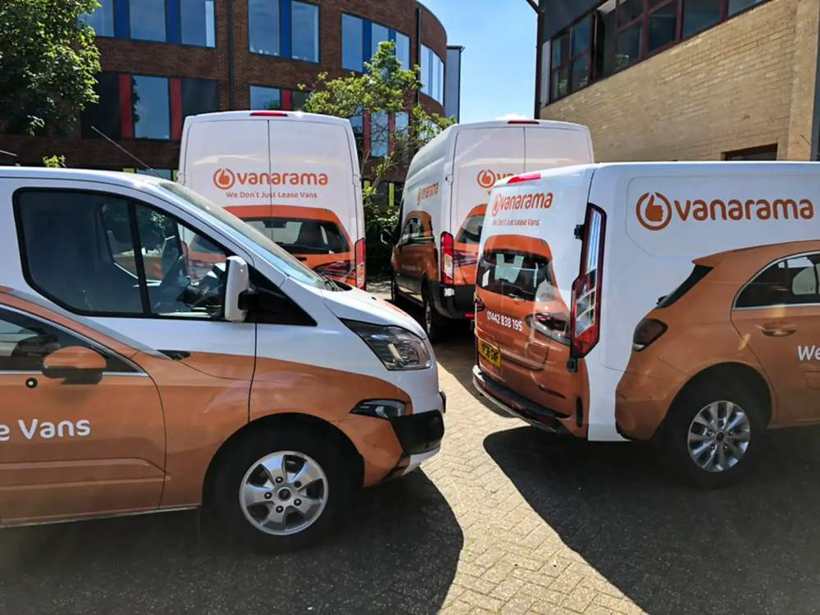
- For commercial policies, whether the vehicle carries advertising, which is normal and expected on a trade or fleet policy
In our experience most personal insurers note a wrap with no premium change. Colour changes occasionally add a small amount, and the specialist and performance-car insurers are the most relaxed because they see wraps every day. Commercial and fleet insurers expect liveried vehicles and it rarely affects anything. Ring them before the wrap goes on rather than after.
Colour change versus branding
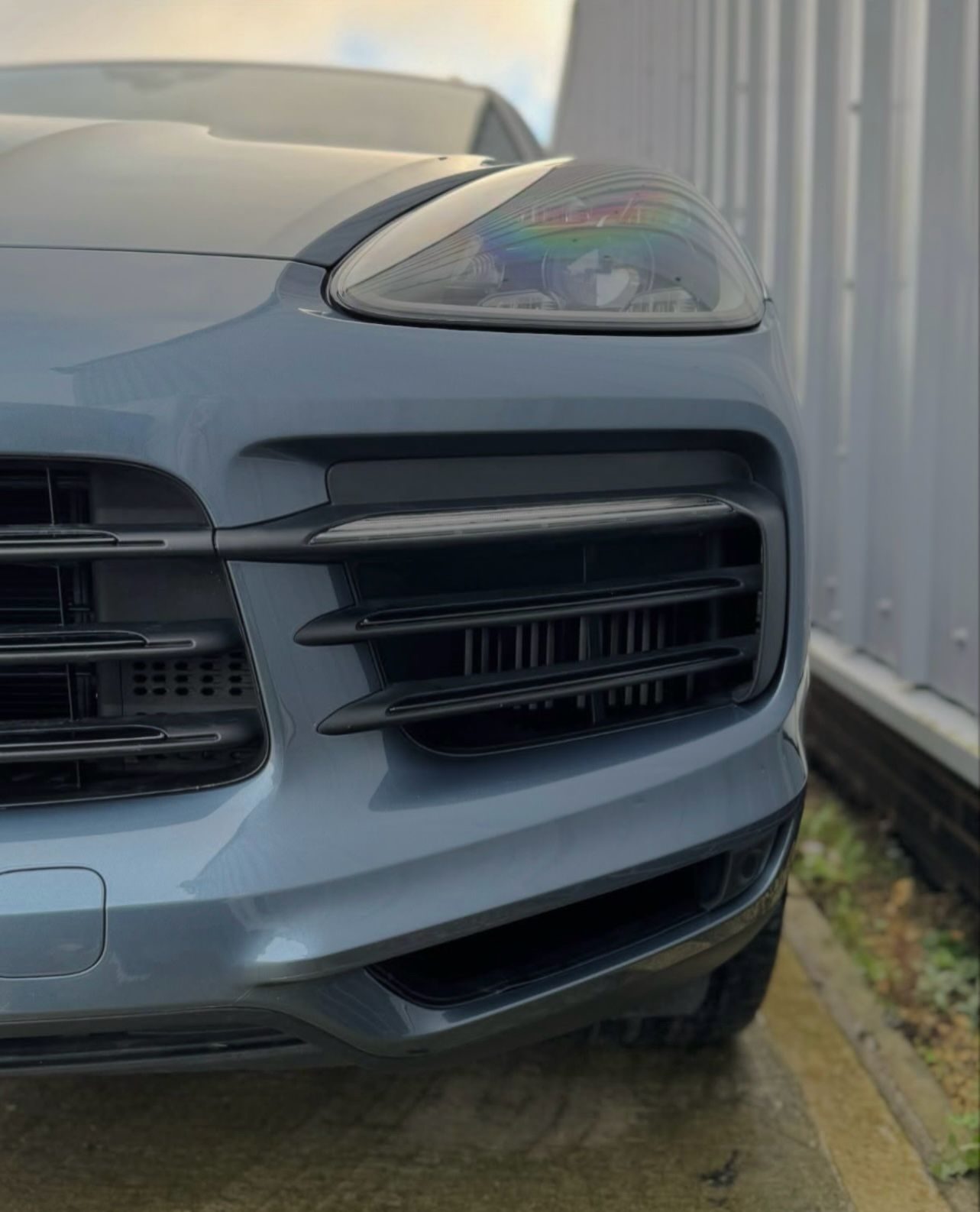
A colour change also needs the DVLA to be told, because the V5C records the vehicle's colour and it has changed. Insurers and the police both work from that record. A white van that is now red, and still white on the V5C, is a mismatch that can cause trouble at a roadside stop or a claim. Update the V5C when the colour changes and tell the insurer at the same time. Branding and partial wraps that leave the base colour dominant do not normally change the recorded colour, but declare them as a modification regardless.
“Nobody has ever had a claim refused for telling their insurer about a wrap. People have had claims reduced for not telling them.”
— Wrap Cube
Insuring the wrap itself
Once declared, the wrap becomes part of the insured vehicle. After an accident, a fair settlement includes putting the wrap back, which on a branded van means reprinting the damaged panels from the original files and refitting them. Keep the itemised invoice from the installer and the artwork files, because that is what the assessor needs to price a like-for-like repair. We hold templates and artwork on file for every vehicle we wrap, and a replacement panel is a repeat, not a redesign.
If the insurer wants to use their own repairer, ask that the wrap repair goes to an installer who works with the same film. A panel reprinted on different material in a different red is visible from across the road.
Fleet policies
Fleet and commercial motor policies assume liveried vehicles. The point to check is that the sum insured per vehicle reflects the wrapped value, and that the policy allows the wrap to be repaired at your chosen installer so the livery standard is kept. Fleet clients at Wrap Cube get a named account manager and a file for every vehicle, which is exactly what the claims process needs.
What to send your insurer
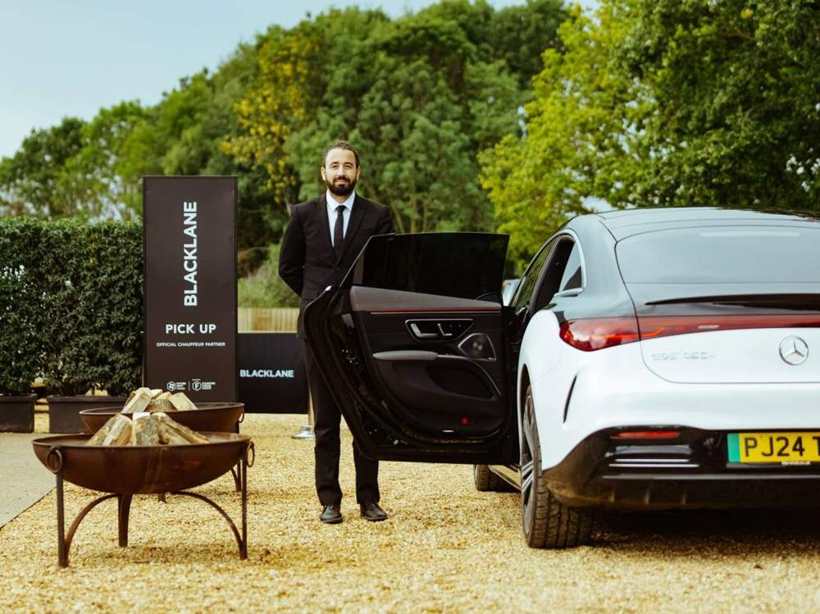
A one-line email is usually enough: the vehicle registration, that a vinyl wrap has been fitted, whether the colour has changed, the approximate cost and the installer. Keep their reply with the policy documents. If you are wrapping a fleet, send the list of vehicles and the livery standard once rather than one email per van, and ask them to confirm the per-vehicle sum insured covers the wrapped value. Our fleet clients get a vehicle file for every van, which is the same information the insurer wants.