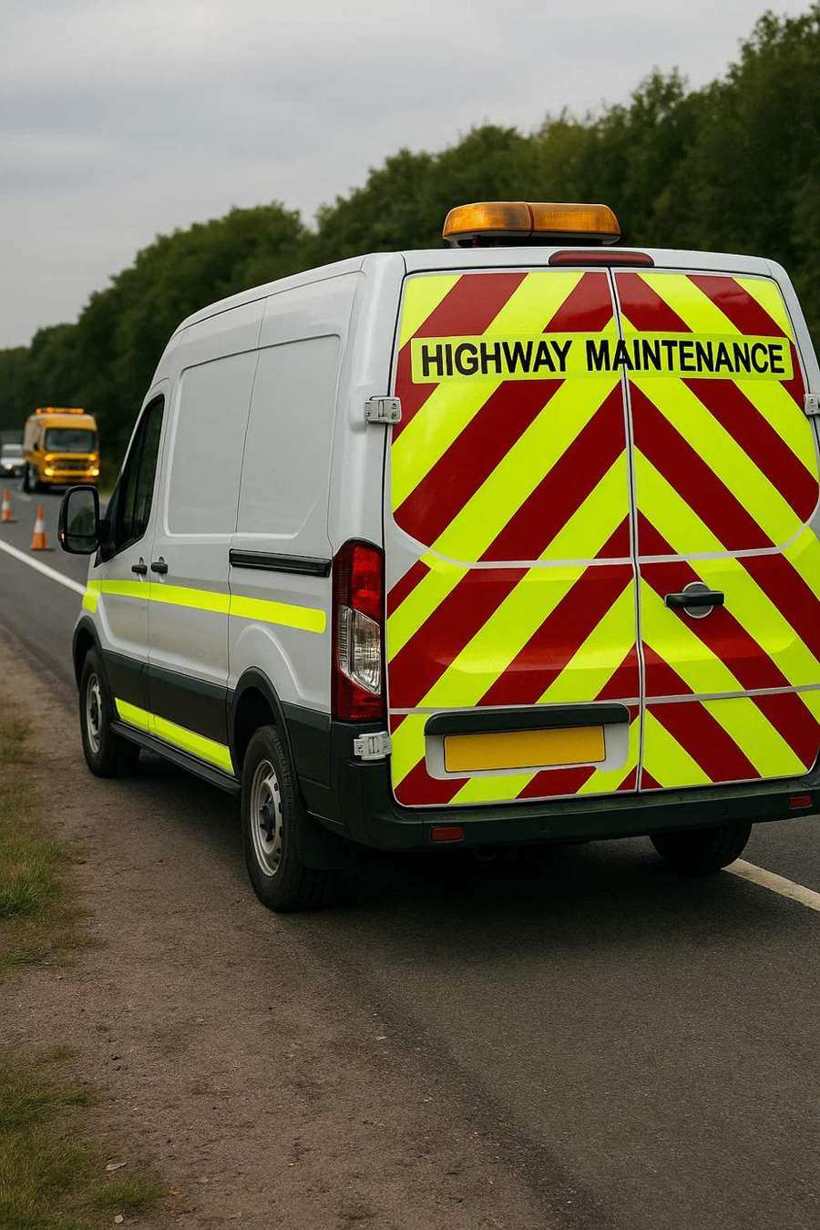

We are not going to give you a number of impressions per day or a cost per thousand views, because every figure like that in circulation is either guessed or borrowed from an American study about billboards. What we can tell you, after twenty years and several hundred vans a year for plumbers, electricians, scaffolders and delivery firms, is how to think about the return honestly, and what the businesses that get the most out of a wrap do differently.
A one-off cost with a five-year life
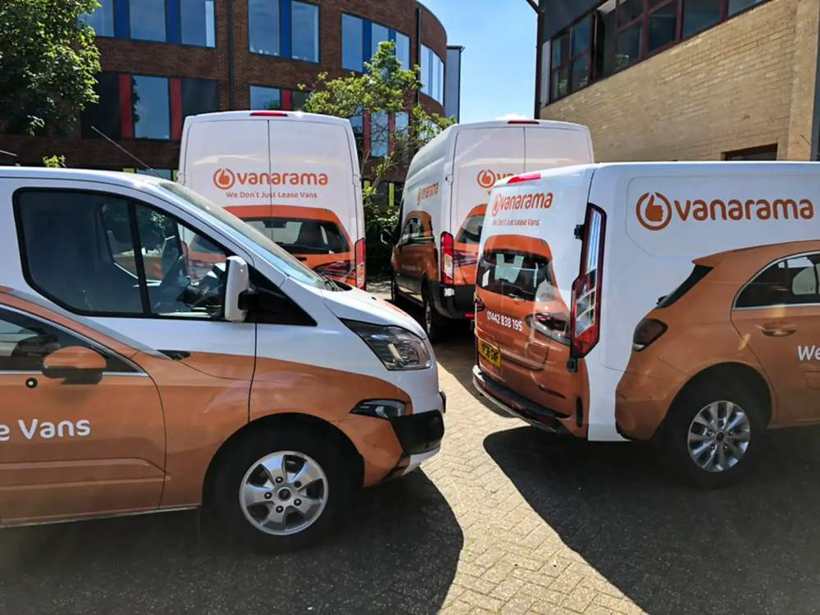
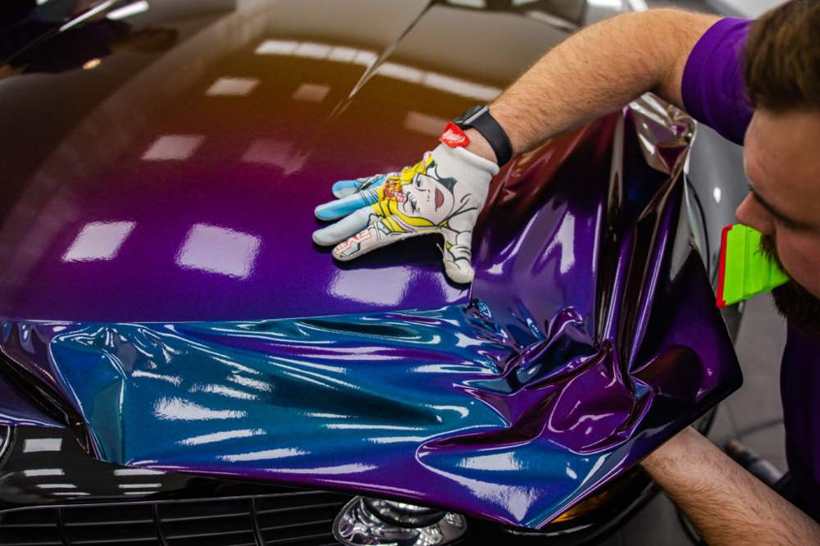
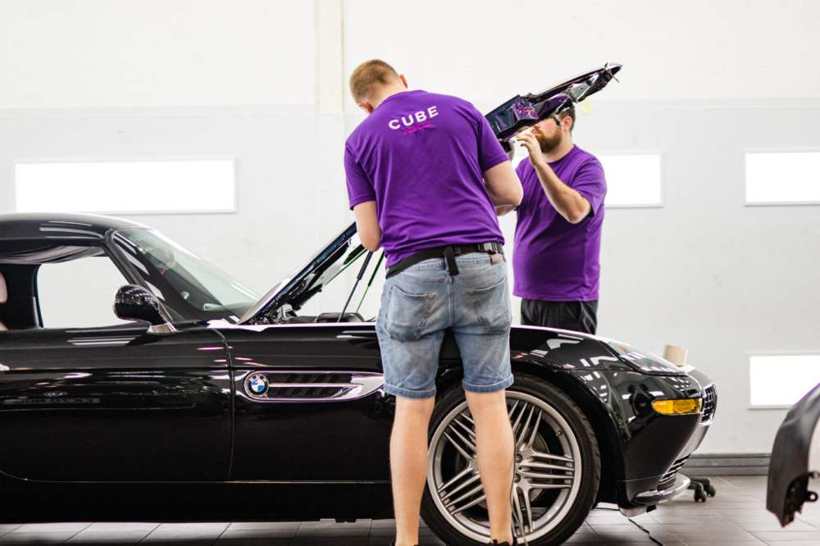
The simplest way to think about a wrap is as advertising you pay for once and run for five years without a monthly invoice. Compare that with anything else a trade business buys to get the phone to ring: a directory listing, local paper adverts, pay-per-click. All of them stop the day you stop paying. A wrap on cast film, fitted indoors, keeps working on every journey and in every car park until the van is sold, and then it comes off and the paint underneath is protected.
Divide the cost of the wrap by the number of working days in five years and the figure is small. That arithmetic is the whole case, and it does not need an invented impressions statistic to make it.
Where the calls actually come from
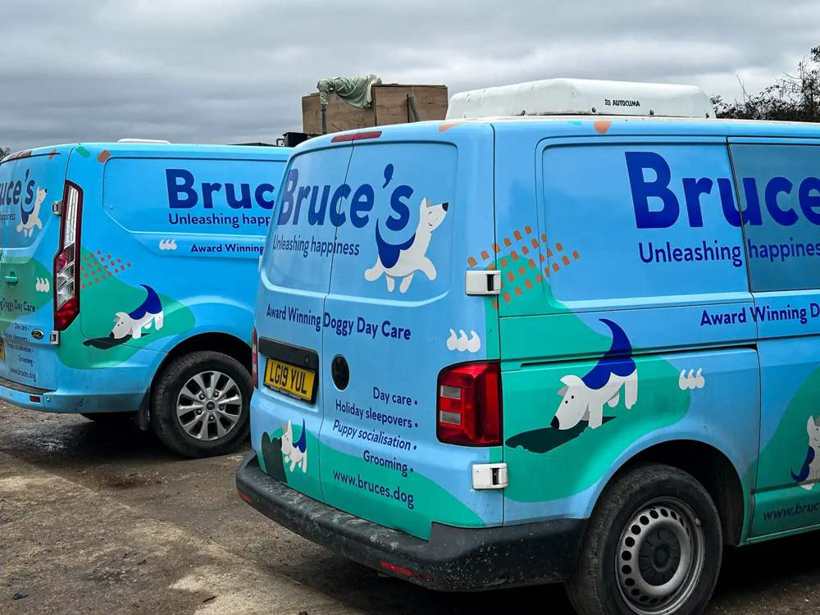
Ask tradespeople who have wrapped vans where the work comes from and the answers are consistent. The neighbour of the house they are working on. The car behind them at the lights that rang the number on the rear doors. The customer who saw the van at the tip on Saturday and remembered the name when the boiler went. A van parked outside a job for three days is a local billboard aimed at exactly the people who live where the business works. Scaffolders get this more than anyone, because their vehicles sit outside a site for weeks.
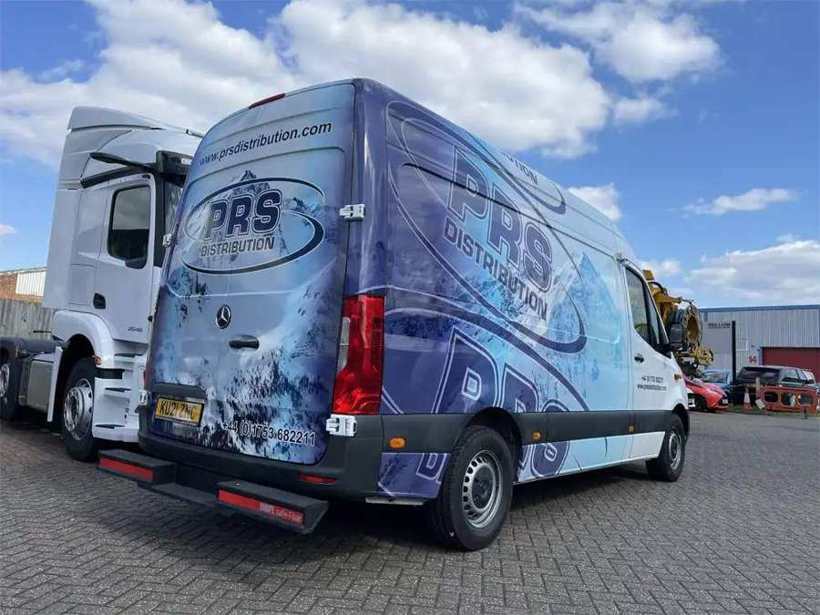
That is why the rear doors carry the phone number, big. It is the one panel that is read by someone with time to read it, sitting behind you at a junction.
The design decides the return
Two identical vans, wrapped on the same day on the same film, get different results if one is readable and one is not. The design that gets calls has one trade, one number, one web address, in a colour that contrasts with the panel, big enough to read in three seconds from across the road. The design that gets admired has six services, a photograph, a strapline and two social media handles, and nobody rings it. We built the custom design page around that difference because it decides the return more than anything else about the wrap.
“A wrapped van is a one-off cost that works every day for five years. Whether it earns anything back depends on whether a stranger can read the phone number in three seconds.”
— Wrap Cube
Trades, delivery, fleets: three different returns
- Trades and services: the return is phone calls from the streets you work in. Design for the number, wrap the rear, park it proudly outside every job
- Delivery and logistics: the van is the only part of the brand a customer sees. The return is recognition and trust, which shows up as retention rather than calls. Packfleet and DHL vans are branding, not lead generation
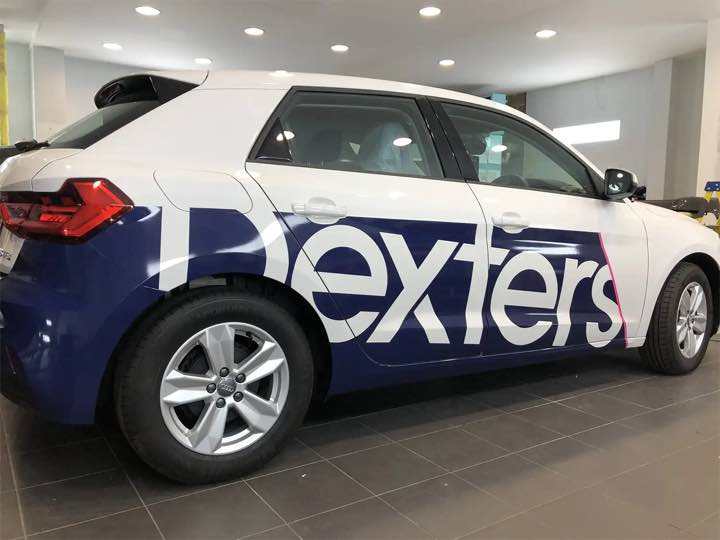
- Fleets and campaigns: the return is consistency and reach. Fifty matching vans across London are a brand campaign the business already owns the media for. Dexters' branch fleet works this way
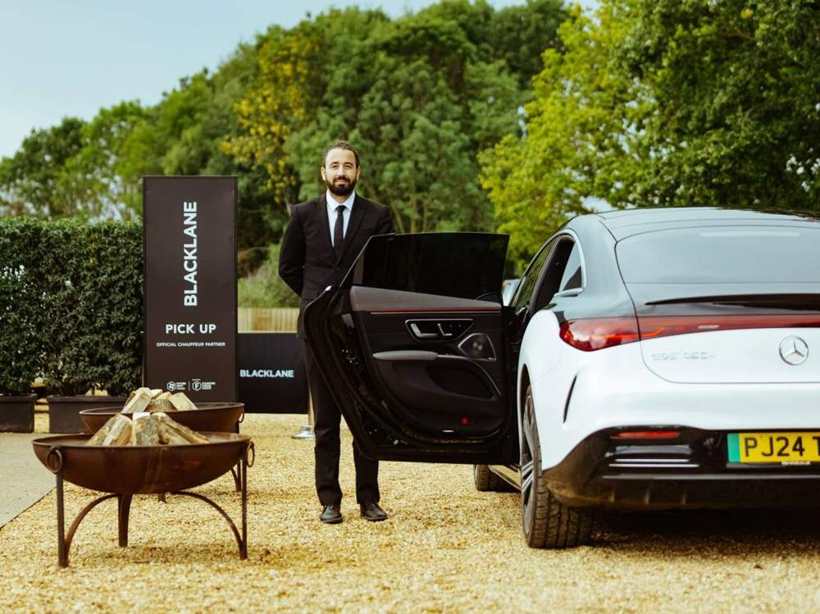
- Chauffeur and premium: the return is looking like the price. Blacklane's Mercedes fleet is branded subtly so the passenger feels chosen, not advertised at
What to measure
If you want a number, make your own rather than borrowing one. Put a web address on the van that is only on the van, or a phone number that only appears there, and count. Ask every new customer how they found you, and write it down for six months. Businesses that do this consistently find the van comes up more often than they expected and more often than the paid channels they were tracking carefully. It is also the only ROI figure that is true for your business rather than for a billboard in Ohio.
The honest downside
A wrap does not work if the van is never seen. A vehicle that lives in a yard and drives to one industrial estate will earn less from branding than one parked outside houses. It does not work if the design is unreadable, and it does not work if the film is cheap and lifts after a year, because a peeling van advertises the wrong thing. And it is a modification with obligations: tell your insurer, tell the lessor, budget for removal. Our guides on insurance and leased vehicles cover both. Get those right and the arithmetic in the first section stands.